

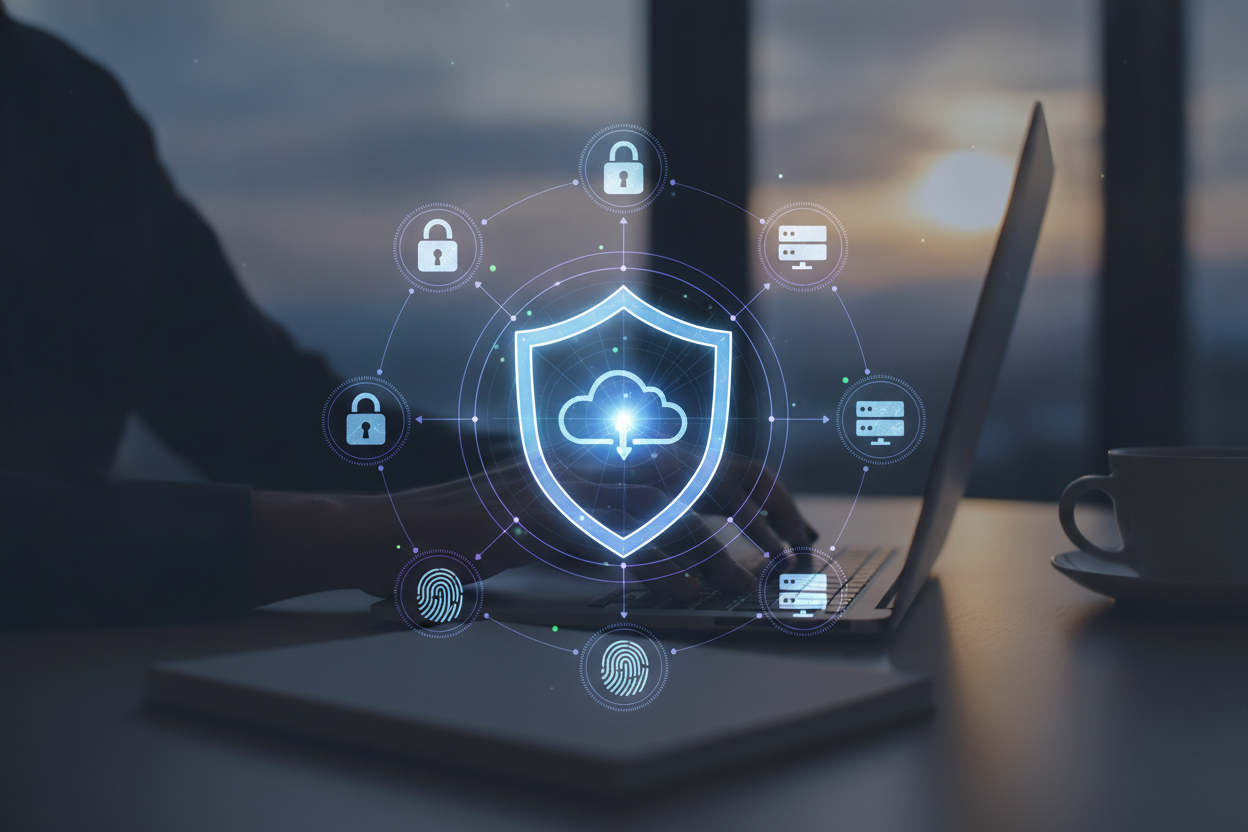
Remote work has made flexibility a standard expectation, but it has also expanded the security surface for businesses of every size. Home networks, shared devices, and personal apps can all introduce risk if they are not managed carefully. Securing remote workflows requires a mix of technology, policy, and day-to-day discipline.
The first priority is identity protection. Strong passwords and multi-factor authentication should be mandatory for all business accounts. Access should be limited to the systems people actually need, and inactive accounts should be removed quickly. These steps reduce the chances of unauthorized access through stolen credentials.
Device security is equally important. Laptops and mobile devices should be updated regularly, encrypted where possible, and protected with endpoint tools that can detect threats. Employees should also know how to use secure Wi-Fi, avoid unapproved software, and store files in approved cloud locations rather than personal drives.
Remote security works best when expectations are clear and support is easy to access. Teams need simple guidance, regular reminders, and a fast way to report suspicious activity. When security becomes part of the remote workflow instead of an afterthought, organizations can support flexible work without sacrificing protection.
Leave a Reply